

eco-friendly practices : ค้นหาหนังสือธรรมะ หน้า 23 / 26
หน้าหนังสือทั้งหมด
175
Enhancing Your Productivity at Work
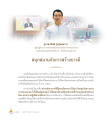
อุบาสกสันติ ด รุ่งสุขผลาภร
ผู้ช่วยผู้อำนวยการสถาบันพัฒนายุวชนโลก วัดพระธรรมกาย
ประธานชมรมพุทธศาสตรสากล หัวหน้าอาศรมอาสาสมัคร
สนุกสนานกับการสร้างบารมี
จุดเริ่มต้นของเส้นทางการสร้างบารมี เริ่มก่อตั้งท
In this chapter, we explore various techniques and tips for maximizing productivity at work. Readers will learn how to prioritize tasks, manage time effectively, and create a conducive work environmen
177
The Art of Mindfulness
ลำบาก เพราะถูกมองว่าหนังสือฆ่าสิ่งชีวิต ข้อผิดเพี้ยน มีการขอตรวจสอบหนังสือก่อน จึงทำให้เข้าสู่โรงเรียนได้ยาก แต่หลวงพ่อท่านก็ยังเป็นวิถีและกำลังใจ ให้ยายงานทางก้าวหน้า จากหลักหมื่นเป็นหลักแสน และจากหล
This book delves into the transformative power of mindfulness, discussing techniques such as meditation and breathing exercises. By learning to be present, readers can reduce stress, boost mental clar
181
The Art of Mindfulness
เปิดศูนย์กัลยาณมิตรหาดใหญ่
從นั้นน้ าเหล็ ยแมวจะเป็นประจำ รับเป็นอัศว ทองผ้าได้ ๑ กอง กองแรกในชีวิต
และชักชวนเพื่อน ๆ ที่เป็นนายกอาสาสมัครสุขภาพ ได้ลงนามในคำ แนะนำ เมื่ อบุ ณได้เริ่มเต็มเปี่ยมมา
ขึ้น น
Mindfulness is the practice of being present and fully engaging with the current moment, promoting mental clarity and emotional resilience. Techniques include meditation, breath awareness, and mindful
197
The Impact of Climate Change
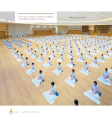
อาบาลิก อุบาลิกา บรรพตปัดแก้ว และศรีทราวาส ปฏิบัติธรรม ณ ศูนย์ปฏิบัติธรรมวิปัสสี วัดเลย์ เขาใหญ่
This text discusses the various impacts of climate change, emphasizing the urgent need for action. It highlights the increase in natural disasters, sea-level rise, and impacts on agriculture. The text
236
Historical Perspectives on Ancient Civilizations
หลวงพ่อสร้างทีมอาสากัลยาณมิตร
วัดในยุคแรก (๑,๐๐๐ ไร่) มีลักษณะเป็นทุ่งนาข้าวโล่ง มีความเป็นธรรมชาติเครื่องพื้นที่กว้างใหญ่ ไม่มีอาคารขนาดใหญ่ หรือโบสถ์โดดเด่น แต่เต็มไปด้วยต้นไม้ใหญ่เขียว ทำให้บรรยาก
This text delves into various ancient civilizations, examining their cultural beliefs, practices, and the historical events that influenced their development. From the early Sumerians to the great emp
266
Job Optimisation in Manufacturing
การศึกษาสงเคราะห์
เพื่อสนับสนุนการศึกษาพระบารมีของ
พระภิษฐ์ สามเณร อุบาสก อุบาสิกา และ
สาธุชนที่สนใจ ทั้งในอดีตพระธรรมกาย และวัด
ทั่วประเทศ เพื่อเป็นคำฝึกหดตนเอง เพื่อรักษา
ใช้อธิษฐานกลางพระพุทธเจ้า แ
In the context of modern manufacturing, job optimization refers to the process of improving production processes by maximizing the efficiency of workflows and minimizing waste. This can involve a rang
286
The Art of Mindfulness
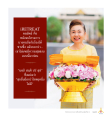
ิRETREAT
ผลลัพธ์ คือ
หลังจบโครงการ
บางคนถึงกับร้องไห้
ซาบซึ้ง แล้วบอกว่า...
เขาไม่เคยมีความสุขสงบ
แบบนี้มาก่อน
"นฤดล สนฺติ ปริ สุข"
ซึ่งแปลว่า
"สุขอันยิ่งกว่าใจหยุดนิ่งไม่มี"
This book delves into the practice of mindfulness, explaining its benefits on mental health and overall well-being. Mindfulness techniques are detailed to help individuals manage stress, improve focus
8
The True Nature of the Buddha's Enlightenment
the Buddha’s enlightenment dealt entirely with meditation focussed outside the body. Then, as now, almost all success was attributed to ideas and strategies — but as a result of countless past lifetim
Siddhattha Gotama's enlightenment was rooted in meditation that transcended mere conceptualization. He recognized that achieving true liberation demanded a harmonious blend of theory and inner virtue.
12
The Noble Eightfold Path: Key Concepts and Insights
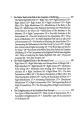
7 The Noble Truth of the Path to the Cessation of Suffering .................... 117
The Noble Eightfold Path 117 • Right View 118 • Right Intention 118 • Right Speech 118 • Right Action 118 • Right L
The Noble Eightfold Path is a fundamental Teaching of Buddhism aimed at overcoming suffering. It consists of eight essential practices: Right View, Right Intention, Right Speech, Right Action, Right L
14
Author's Preface on the Uniqueness of Buddhism
Author's Preface
Buddhism is unique in teaching a way to overcome suffering, with its aim definitely to liberate oneself from the Cycle of Existence [vadda-samśāra] thereby attaining the highest eter
The Author's Preface highlights Buddhism's distinctive qualities in teaching ways to alleviate suffering and attain ultimate happiness, emphasizing its systematic approach to teachings and virtues. It
23
Understanding the Path to Nirvana: The Buddha's Teachings
the attainment of Nirvana. In the Dhammacakkapavattana Sutta, further to the clarification of the profitable path of practice, the Buddha stipulates paths of practice that are unprofitable and might e
This text discusses the Buddha's elucidation of the paths to Nirvana as presented in the Dhammacakkapavattana Sutta. It highlights the unprofitable practices, particularly the path of sensual indulgen
81
Understanding Ascetic Practices and the Pursuit of Brahmā Realms
The ascetics who subscribe to this dogma and who have developed a certain degree of meditation, may acquire the ability to recollect their previous lives and will know what form they had taken in prev
Ascetics who follow specific dogmas may recollect their past lives and aspire to be reborn in the Form-Brahmā world, striving for the Ultimate Truth. They believe that by enhancing their meditation pr
86
Understanding Craving and Suffering in Buddhism
ing after such wealth, even though it is acquired by honest
means, is still subject to suffering because it contains craving which is the origin of suffering. Even the craving for the
Brahmā-world and
This text delves into the concept of craving in Buddhism, emphasizing that even honest wealth can lead to suffering due to inherent craving. It discusses how aspirations for the Brahmā-world can trap
105
Rediscovery of the Dhammakāya Tradition
mentaries for most people to understand. The knowledge of Dhammakāya is said to have diminished and eventually for some unknown reason, disappeared from Buddhism approximately 500 years after the Pari
The Dhammakāya tradition, once diminished in Buddhism, was revitalized by Luang Phaw Wat Paknam who dedicated his life to its teachings. His outreach efforts led to the tradition being acknowledged in
113
Understanding the Dhamma Body and Its Significance
Dhamma Body, thereby make themselves invulnerable to
the action of defilements. In the past we might have been
unable to give up unwholesome behaviours (such as drink-
ing alcohol) in spite of knowing
The Dhamma Body, or Dhammakāya, represents the essence of Buddhism, highlighting the journey towards enlightenment. By attaining the Dhamma Body, individuals can free themselves from defilements such
134
The Importance of Meditation in Buddhism
Meditation is the focussing of the mind on a single object and abiding in a single mood without distraction or restlessness, or being caught up in external influences on mood. Meditation is thus of gr
Meditation is central to Buddhist practice, allowing individuals to focus the mind on a single object, leading to the cultivation of virtues and deeper levels of awareness. The attainment of the five
135
Understanding the Pathama Magga Sphere
the other virtues.
For as long as a meditator cultivates the Noble Eightfold
Path purely, completely and according to the principles of
the Middle Way (i.e. with the mind entering continuously
upon th
This text delves into the Pathama Magga Sphere, an important concept in meditation that arises when the Noble Eightfold Path is fully realized. It explains how the mind can be liberated from external
153
Understanding Right View and Right Intention in Buddhism
[Image contains text and a circular symbol at the top]
4. The view that this world lacks reality or doesn’t exist;
5. The view that the afterworld lacks reality or doesn’t exist;
6. The view that
This text examines the principles of Right View and Right Intention in Buddhism. It highlights the dangers of False Views, such as denying the reality of this world or the afterlife, and emphasizes th
154
The Renunciation of the Bodhisatva
"Oh! When will I be able to leave this prosperous Mithila with its castles and towers, abundance of the four requisites?"
The bodhisatva thought in this way for four months before he was able to ful
In his quest for enlightenment, the bodhisatva grapples with renouncing the comforts of Mithila, contemplating his intentions for four months. Upon retreating into the forest, he meditates and develop
165
Understanding Right Livelihood and Wrong Trade
hardly be able to find anyone to praise them;
4. They will spend forthcoming lifetimes in hell.
Having heard the Buddha’s teaching, Khema attained
stream-entry, never committing adultery again
This ex
In Buddhist teachings, Right Livelihood refers to earning a living that upholds ethical values and avoids harmful practices. It specifically highlights five types of Wrong Trade which are prohibited: